
Neale Daniher lost his 13-year battle with Motor Neurone Disease yesterday – a man who used his time to fight what he called “the beast” and raised over $140 million for his cause.
In 2013 he was diagnosed with the neurological condition which has an average lifespan of 27 months, and his immediate instinct was to battle – founding his FightMND charity in 2014.
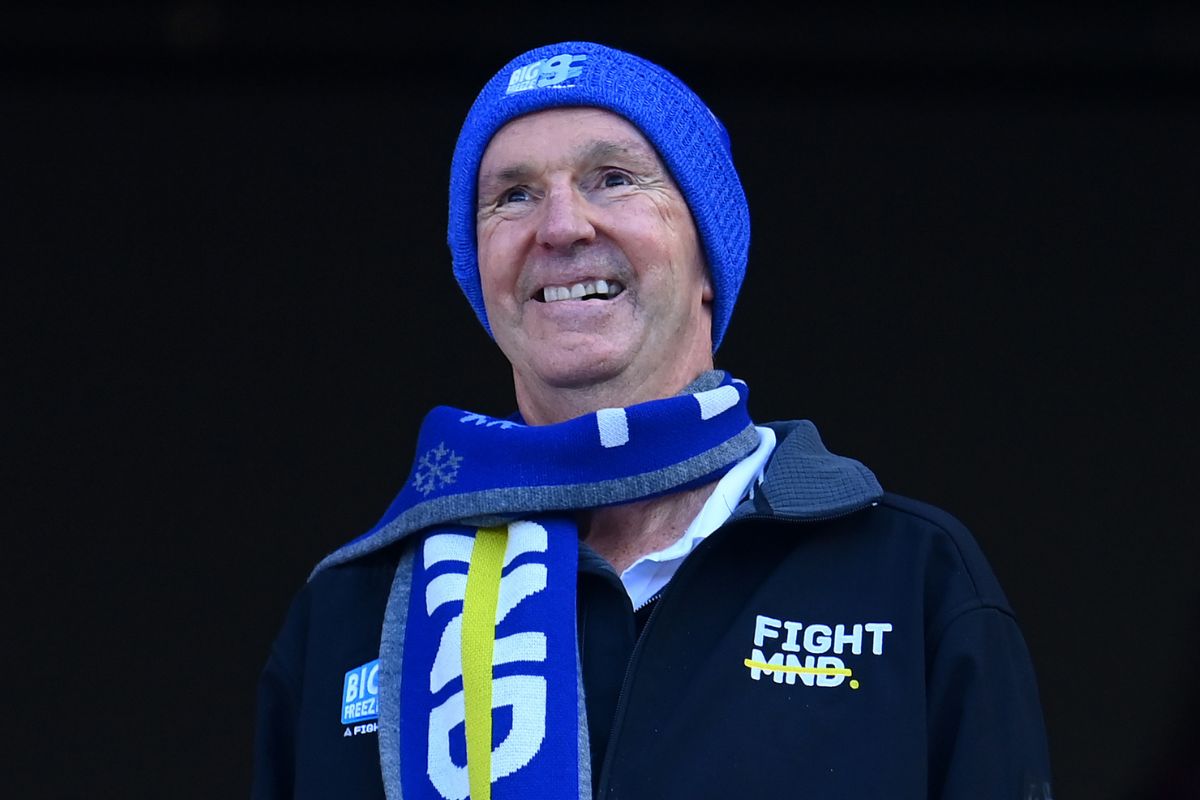
He has been a pioneer in medical research, raising huge amounts of money through events like the Daniher Drive and the Big Freeze, with the twelfth instalment of the event happening in round 13 on the King’s Birthday clash.
In 2025 Daniher was awarded with the Australian of the Year award for his profound efforts in raising awareness and money to help find a cure for MND.
But before all of that, he lived a memorable career as a football player and coach, playing 82 games at Essendon and becoming the youngest ever player to captain a team at age 21.
He made history with his three brothers – the first and only time four siblings shared an AFL field when they played St Kilda in round 22 of 1990.
His time as a coach saw him lead 223 games at Melbourne, steering the team to the 2000 Grand Final and leaving players with a career filled with inspiration and belief at the Demons.
Daniel Ward was a defender in the 2000 grand final team, spending many years under Danier’s leadership – he joined Sports Breakfast this morning.
“A real fighter. Not a lot was known about MND when Neale first got this 13 years ago and the amount of work that him and his family and the rest of the FightMND organisation have put into raising awareness and trials and raising funds – it got him in the end but that’s the mark of the man that he was, still willing to put his head up and do whatever he could to raise awareness,” he said.
“When he got to the footy club, Melbourne was on its knees a little bit – bottom of the ladder and no money or facilities and all that sort of stuff – but he gave us belief. He gave us a way to play and he had high expectations of both individuals and the group.
“We had a tense relationship at times, but looking back on it now, the lessons that he taught me both as a footballer, but probably more importantly as a person in life… the lessons I take from him and our time together helped me forge being a parent with two daughters and obviously coaching a young group [in the VFL].”
Ward highlighted Daniher’s ability to see the strengths and weaknesses of an opposition – one that saw the Demons make a memorable finals run in 2000.
“That was his main strength, I believe. And then also providing hope and selling the message to his playing group that we could achieve anything. And that was the case in 2000.”
“Obviously really stiff to run into Essendon – juggernauts on the day, one of the best teams to ever play. But the belief that we had was solely built from him and we were a really young group. I think I was 23 at the time and he just instilled great belief in the fact that he could break down oppositions… and I think that’s something I carry today.”
Despite all of the accolades he achieved and money he raised for MND research, Neale’s fighting instinct and inspirational outlook on life is what he will be remembered and revered for.
His battling character was coined in that memorable speech to the Demons before the third annual Big Freeze event, where he spoke on the cruel and unfair nature of life, but affirmed there is always opportunity in the good and the bad – and his opportunity was to fight.
Perhaps the most iconic quote from that speech that summed him up as a person was this;
“When all is said and done, more is said than done. And the mark of a person is not what they say, it’s what they do.”
Vale Neale Daniher (1961-2026).
IMAGE: Getty Images